Many self-employed professionals, entrepreneurs, consultants, and small business owners assume that Roth IRAs are only for lower-income taxpayers. As a result, they often overlook one of the most powerful retirement planning tools available. While Roth IRAs do come with income limitations, business owners frequently have unique opportunities to reduce their taxable income and potentially qualify for contributions.
At Botwinick & Company, LLC, we regularly help business owners evaluate retirement planning options that align with both their current tax situation and long-term financial goals. Understanding how Roth IRAs work can help you make informed decisions that may benefit you for decades to come.
Why Roth IRAs Continue to Attract Business Owners
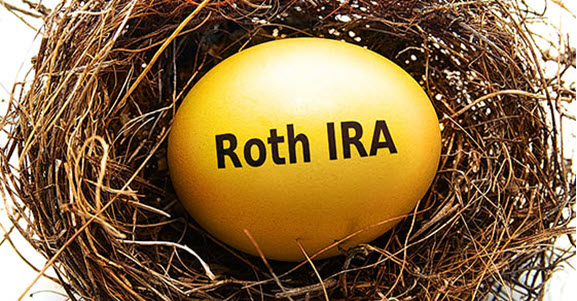
Unlike traditional IRAs, Roth IRA contributions are made with after-tax dollars. While you do not receive an immediate tax deduction for contributions, qualified withdrawals during retirement are generally tax-free.
This creates a unique opportunity for individuals who believe they may be in a higher tax bracket later in life or who want to diversify their retirement income sources. Having access to tax-free retirement distributions can provide greater flexibility when managing retirement income and tax liabilities.
2026 Roth IRA Contribution Limits
For the 2026 tax year, eligible taxpayers can contribute up to $7,500 annually to a Roth IRA. Individuals age 50 and older may contribute an additional $1,100 catch-up contribution.
These limits apply collectively across both Roth and traditional IRAs. If you contribute to both account types during the same year, the combined contributions cannot exceed the annual limit.
Understanding Income Eligibility Requirements
Your ability to contribute directly to a Roth IRA depends on your Modified Adjusted Gross Income (MAGI).
For 2026, contribution eligibility begins to phase out at the following income levels:
- Single filers and heads of household: $153,000 to $168,000
- Married couples filing jointly: $242,000 to $252,000
If your income falls within these ranges, the amount you can contribute may be reduced. If your income exceeds the upper threshold, direct Roth IRA contributions may no longer be permitted.
However, many self-employed taxpayers are surprised to discover that their MAGI is significantly lower than their gross business income.
Why Self-Employed Individuals May Still Qualify
One advantage of being self-employed is the ability to take advantage of numerous business-related deductions that can substantially reduce taxable income.
Common deductions that may lower MAGI include:
- Home office expenses
- Business vehicle expenses
- Office rent and utilities
- Professional software and equipment purchases
- Health insurance premiums
- Self-employment tax deductions
- Retirement plan contributions
As a result, a business owner generating substantial revenue may still fall within the Roth IRA income limits after all allowable deductions are applied.
This is why annual tax planning is so important. Looking only at gross income often provides an incomplete picture of Roth IRA eligibility.
Combining Roth and Tax-Deferred Retirement Strategies
Retirement planning does not have to be an either-or decision.
Many self-employed professionals benefit from utilizing both Roth and tax-deferred retirement accounts. Contributing to retirement plans such as:
- Solo 401(k)s
- SEP IRAs
- SIMPLE IRAs
can generate immediate tax deductions while also lowering MAGI. Those reduced income levels may then allow eligibility for Roth IRA contributions.
This strategy allows business owners to enjoy both current-year tax savings and future tax-free retirement income.
The Long-Term Benefits of Tax-Free Retirement Income
One of the biggest advantages of a Roth IRA is the ability to withdraw qualified funds tax-free during retirement.
Potential benefits include:
- Tax-free growth over many years
- Tax-free qualified withdrawals
- Greater flexibility when managing retirement income
- Reduced exposure to future tax rate increases
- Potential reduction in the taxation of Social Security benefits
For many retirees, having a combination of taxable, tax-deferred, and tax-free income sources can provide significant planning advantages.
No Required Minimum Distributions During Your Lifetime
Traditional retirement accounts generally require account holders to begin taking Required Minimum Distributions (RMDs) beginning at age 73.
Failure to withdraw the required amount can result in substantial IRS penalties.
Roth IRAs offer a notable exception. Original account owners are not required to take distributions during their lifetime. This allows assets to continue growing tax-free for as long as they remain invested.
For business owners focused on wealth preservation and legacy planning, this feature can be especially attractive.
Estate Planning Advantages of Roth IRAs
Roth IRAs can also play a valuable role in estate planning.
When passed to beneficiaries, Roth IRA assets generally maintain their tax-free status. While many non-spouse beneficiaries must withdraw inherited funds within ten years, distributions are typically received income tax-free.
This can create a significant advantage when transferring wealth to future generations.
Is a Roth IRA Right for You?
The answer depends on several factors, including:
- Your current income level
- Your expected retirement income
- Your tax bracket today versus retirement
- Your business deductions
- Your overall retirement strategy
- Your estate planning objectives
Because every business owner’s financial situation is unique, evaluating these factors with a qualified tax advisor can help maximize long-term benefits while avoiding costly mistakes.
How Botwinick & Company, LLC Can Help
Retirement planning is about more than simply opening an account. It requires strategic coordination between your tax planning, business structure, income projections, and long-term financial objectives.
At Botwinick & Company, LLC, we work closely with self-employed individuals, entrepreneurs, and business owners to develop customized tax and retirement strategies. Whether you are evaluating Roth IRA eligibility, exploring retirement plan options, or looking for ways to reduce your overall tax burden, our experienced team can help you make informed decisions that support your financial future.
Contact Botwinick & Company, LLC today to discuss your retirement planning options and discover strategies designed to help you build and preserve long-term wealth.
Frequently Asked Questions
Can self-employed individuals contribute to both a Roth IRA and a Solo 401(k)?
Yes. Many self-employed taxpayers contribute to both accounts, provided they meet eligibility requirements and contribution limits.
What is MAGI and why is it important?
Modified Adjusted Gross Income (MAGI) is used to determine eligibility for certain tax benefits, including Roth IRA contributions.
Are Roth IRA withdrawals always tax-free?
Qualified withdrawals are generally tax-free if IRS requirements regarding age and holding periods are met.
Can business deductions help me qualify for a Roth IRA?
Yes. Legitimate business deductions may reduce your MAGI and potentially increase or preserve Roth IRA eligibility.
Do Roth IRAs have required minimum distributions?
No. Original account owners are not required to take RMDs during their lifetime.
Can I contribute to a Roth IRA if my income exceeds the limits?
Direct contributions may be restricted, but alternative strategies such as Roth conversions may be available depending on your circumstances.
How does a Roth IRA affect Social Security taxation?
Qualified Roth IRA withdrawals generally are not included when calculating the taxable portion of Social Security benefits.
Should younger business owners consider Roth IRAs?
Many younger professionals benefit from decades of potential tax-free growth, making Roth IRAs an attractive long-term planning tool.
Can I leave my Roth IRA to my children?
Yes. Roth IRAs can be inherited, and beneficiaries generally receive tax-free distributions subject to current inheritance rules.
How can Botwinick & Company help with retirement planning?
We provide personalized tax planning, retirement strategy development, income analysis, and financial guidance tailored to business owners and self-employed professionals.