• Who We Are
    • Firm Overview
    • Our Team
    • International
    • Life at Botwinick
    • Reviews
  • What We Do
    • Accounting
    • Assurance & Attestation
    • Business Consulting & Advisory
    • Contract Compliance
    • Forensic Accounting
    • Tax Compliance & Planning
  • Industries We Serve
    • Contractors
    • Dental Practices
    • Distribution, Logistics, & Warehousing
    • Manufacturing
    • Medical
    • Professional Services
    • Real Estate
    • Retail
    • Sports & Entertainment
    • Tech
  • Work With Us
  • Insights
  • Client Access
  • Contact
  • Client Login
  • Pay Online
  • Visit Our Office
  • LinkedIn
  • Facebook
  • Skip to primary navigation
  • Skip to main content
  • Skip to primary sidebar
    (201) 909-0090
Botwinick Logo
  • Who We Are
    • Firm Overview
    • Our Team
    • International
    • Life at Botwinick
    • Reviews
  • What We Do
    • Accounting
    • Assurance & Attestation
    • Business Consulting & Advisory
    • Contract Compliance
    • Forensic Accounting
    • Tax Compliance & Planning
  • Industries We Serve
    • Contractors
    • Dental Practices
    • Distribution, Logistics, & Warehousing
    • Manufacturing
    • Medical
    • Professional Services
    • Real Estate
    • Retail
    • Sports & Entertainment
    • Tech
  • Work With Us
  • Insights
  • Client Access
  • Contact
  • Show Search
Hide Search

Blogs

Providing Fringe Benefits To Employees With No Tax Strings Attached

Ken Botwinick, CPA | 10/17/2022

Businesses can provide benefits to employees that don’t cost them much or anything at all. However, in some cases, employees may have to pay tax on the value of these benefits.

Here are examples of two types of benefits which employees generally can exclude from income:

  1. A no-additional-cost benefit. This involves a service provided to employees that doesn’t impose any substantial additional cost on the employer. These services often occur in industries with excess capacity. For example, a hotel might allow employees to stay in vacant rooms or a golf course may allow employees to play during slow times.
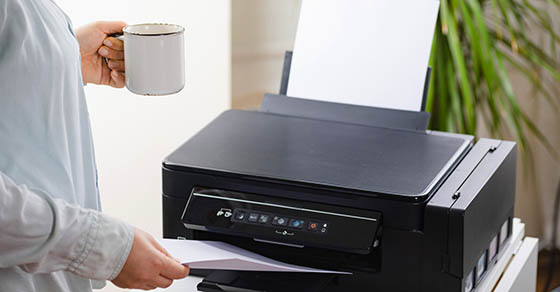
  2. A de minimis fringe benefit. This includes property or a service, provided infrequently by an employer to employees, with a value so small that accounting for it is unreasonable or administratively impracticable. Examples are coffee, the personal use of a copier or meals provided occasionally to employees working overtime.

However, many fringe benefits are taxable, meaning they’re included in the employees’ wages and reported on Form W-2. Unless an exception applies, these benefits are subject to federal income tax withholding, Social Security (unless the employee has already reached the year’s wage base limit) and Medicare.

Court case provides lessons

The line between taxable and nontaxable fringe benefits may not be clear. As illustrated in one recent case, some taxpayers get into trouble if they cross too far over the line.

A retired airline pilot received free stand-by airline tickets from his former employer for himself, his spouse, his daughter and two other adult relatives. The value of the tickets provided to the adult relatives was valued $5,478. The airline reported this amount as income paid to the retired pilot on Form 1099-MISC, which it filed with the IRS. The taxpayer and his spouse filed a joint tax return for the year in question but didn’t include the value of the free tickets in gross income.

The IRS determined that the couple was required to include the value of the airline tickets provided to their adult relatives in their gross income. The retired pilot argued the value of the tickets should be excluded as a de minimis fringe.

The U.S. Tax Court agreed with the IRS that the taxpayers were required to include in gross income the value of airline tickets provided to their adult relatives. The value, the court stated, didn’t qualify for exclusion as a no-additional-cost service because the adult relatives weren’t the taxpayers’ dependent children. In addition, the value wasn’t excludable under the tax code as a de minimis fringe benefit “because the tickets had a value high enough that accounting for their provision was not unreasonable or administratively impracticable.” (TC Memo 2022-36)

You may be able to exclude from wages the value of certain fringe benefits that your business provides to employees. But the requirements are strict. If you have questions about the tax implications of fringe benefits, contact us.

© 2022

Share:
author avatar
Ken Botwinick, CPA Partner, CPA
Ken Botwinick, CPA is a Partner with Botwinick & Company, LLC and has been with the firm for more than 25 years. Ken specializes in providing accounting, tax, and business consulting services to dental and medical practices. He established the firm’s dental practice and is a sought-after lecturer at dental continuing education programs. Ken has his “finger on the pulse of the dental industry,” and with comprehensive experience in ownership transitions, he assists clients in the healthcare industry to reach their professional and financial aspirations and goals.
See Full Bio

About Ken Botwinick, CPA

Ken Botwinick, CPA is a Partner with Botwinick & Company, LLC and has been with the firm for more than 25 years. Ken specializes in providing accounting, tax, and business consulting services to dental and medical practices. He established the firm’s dental practice and is a sought-after lecturer at dental continuing education programs. Ken has his “finger on the pulse of the dental industry,” and with comprehensive experience in ownership transitions, he assists clients in the healthcare industry to reach their professional and financial aspirations and goals.

Primary Sidebar

Related Posts

Botwinick

Can Your Business Deduct Expenses for Working Animals?

Ken Botwinick, CPA | 03/17/2026

Many business owners are surprised to learn that certain animal-related expenses may qualify as legitimate tax deductions. While this concept is commonly associated with farms and agricultural businesses, it also applies to a wide range of industries …

Read More about Can Your Business Deduct Expenses for Working Animals?

Botwinick

What Employers Should Know About Unused FSA Balances and the Use-It-Or-Lose-It Rule

Ken Botwinick, CPA | 03/11/2026

Flexible Spending Accounts (FSAs) remain one of the most popular employee benefit programs offered by businesses across the country. These plans allow employees to set aside pretax dollars for qualified health or dependent care expenses while also …

Read More about What Employers Should Know About Unused FSA Balances and the Use-It-Or-Lose-It Rule

Botwinick

Understanding Business Vehicle Tax Deductions for 2025

Ken Botwinick, CPA | 03/04/2026

If you use a vehicle for business purposes, you may be able to claim valuable tax deductions that reduce your overall tax liability. Many business owners rely on their vehicles for client meetings, job site visits, deliveries, and day to day …

Read More about Understanding Business Vehicle Tax Deductions for 2025

Botwinick Logo

Contact Us

365 West Passaic Street

Suite 310

Rochelle Park, NJ 07662

info@botwinick.com
(201) 909-0090
(201) 909-8533

2700 N Military Trl

#240

Boca Raton, FL 33431

info@botwinick.com
(561) 787-0225
Boca Raton Accounting Firm

Follow Us

© Botwinick & Company, LLC. All Rights Reserved. | Privacy Policy | Terms & Conditions
Website Design & Development by SHJ
  • Pay Online

  • Visit Our Office

  • LinkedIn

  • Facebook